• Hello
  • Notes
  • FAQs
    • My Amazon Shop
    • MY LTK
    • MightyHoop / HoopMaster
    • PhoneSoap
  • KIND WORDS
Menu

THE NURSE NATALIE

  • Hello
  • Notes
  • FAQs
  • SHOP
    • My Amazon Shop
    • MY LTK
    • MightyHoop / HoopMaster
    • PhoneSoap
  • KIND WORDS
Screen Shot 2020-07-07 at 4.42.51 PM.png

Let's Talk: Ostomies

July 7, 2020

What is an ostomy?

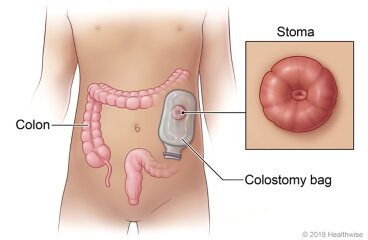
An ostomy is a surgery that makes an opening to the tummy in order to let stool (poop) escape. This opening may also be called a “stoma.”

How will I know if my baby needs an ostomy?

An ostomy provides your baby with a way to excrete stool. It may be needed for a short period of time or for a long term basis. Indications for an ostomy may include:

  • Imperforate anus

  • Ulcerative colitis

  • Crohn’s disease

  • NEC

  • Injured bowel

  • Bowel obstruction

  • Volvulus

  • Perforation

What will the ostomy look like?

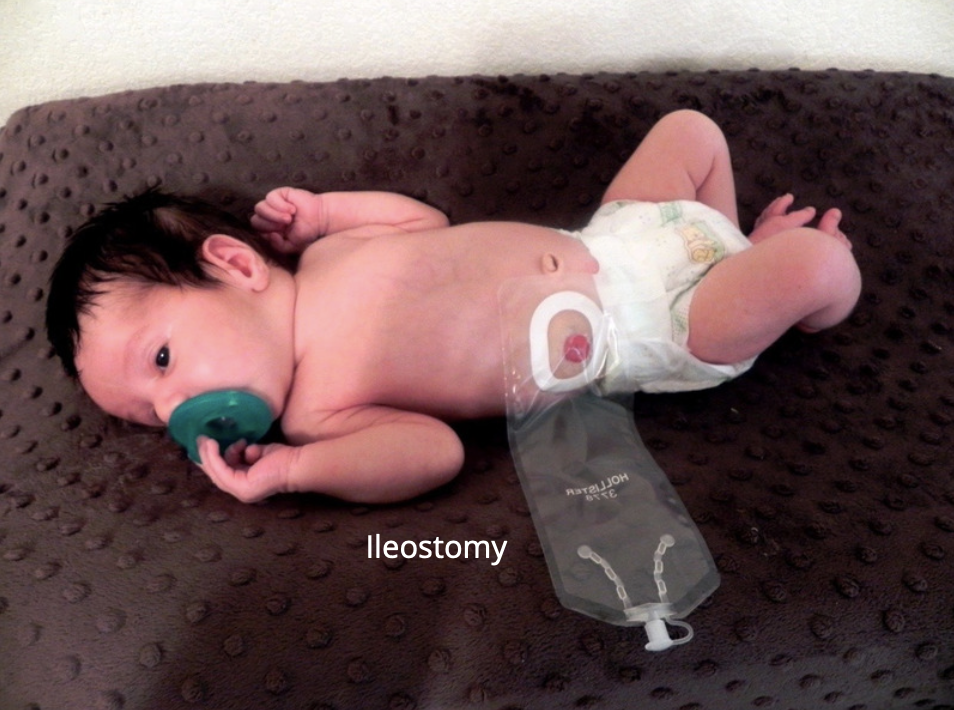
The stoma will look red, round, and wet—sometimes referred to as “meaty.” It may be raised slightly above the skin, and a little bleeding is completely normal.

Are there different kinds of ostomies?

YES! In the NICU, there are TWO very common types of ostomies that our babies receive.

  1. Ileostomy — This stoma opens from the small intestine and will be placed on the right side of your baby’s abdomen. The stool that is voided and seen in the bag may be liquidy, watery, or runny because it has barely started the digestive process. 

  2. Colostomy — This stoma opens from the large intestine and will be located on the left side of your baby’s abdomen. This stool will be more pasty and soft and not as loose. It is normal for variations in color and content. Gas is also commonly seen in colostomy bags.

Screen Shot 2020-07-07 at 4.36.26 PM.png
Screen Shot 2020-07-07 at 4.35.26 PM.png
Screen Shot 2020-07-07 at 4.37.30 PM.png
Screen Shot 2020-07-07 at 4.38.05 PM.png
colostomy1.jpg

What should I expect after the surgery?

After surgery, it is normal to see large quantities of stool excreting from the stoma. A fresh, new stoma may look swollen, mushy, and irregular in shape. It may take several weeks for the swelling to subside. Your child may have some pain and discomfort following surgery and will be given pain medication by the NICU staff. In addition, your baby cannot regulate and control the flow of stool coming out of the stoma, so a pouch (bag) must be placed to collect the stool. Stool can irritate the skin around the stoma, so it is important to keep the skin clean & dry, ensure a properly-fitted wafer that has a good seal between the wafer and skin, change the dressing when it starts to lift or leak, and empty the bag often.

What are some signs/symptoms of an infection?

  • If the stoma turns pale, purple, black, or any color variation besides red

  • More than normal amounts of bleeding

  • Fever 

  • More than normal or less than normal quantities of stool

  • Vomiting

  • A rounded, distended and/or firm, hard tummy that’s tender to the touch

  • If the stoma suddenly changes shape (after the 3-4 week post-op period)

← Helpful Tips to Combat MaskneBaby Steps to Home →

Latest Posts

Featured
September 24, 2020
Handoff Report
September 24, 2020
September 24, 2020
September 3, 2020
Common NICU Diagnoses
September 3, 2020
September 3, 2020
September 3, 2020
Let's Talk: PFO
September 3, 2020
September 3, 2020
September 3, 2020
Essentials to Know
September 3, 2020
September 3, 2020
September 3, 2020
Sample 1:1 Assignment
September 3, 2020
September 3, 2020
September 3, 2020
NICU Parents
September 3, 2020
September 3, 2020
August 11, 2020
Typical Day in the Life of a NICU Nurse
August 11, 2020
August 11, 2020
August 9, 2020
Hypoplastic Left Heart Syndrome (HLHS)
August 9, 2020
August 9, 2020
August 9, 2020
Let's Talk: PDA
August 9, 2020
August 9, 2020
August 5, 2020
Is Being a New Grad in the NICU Hard?
August 5, 2020
August 5, 2020
August 5, 2020
Will I Lose My Skills?
August 5, 2020
August 5, 2020
July 31, 2020
My Personal Journey
July 31, 2020
July 31, 2020
July 31, 2020
Surgeries
July 31, 2020
July 31, 2020
July 31, 2020
NCLEX Updates
July 31, 2020
July 31, 2020
July 27, 2020
Airborne Precautions
July 27, 2020
July 27, 2020
July 27, 2020
Contact Precautions
July 27, 2020
July 27, 2020
July 27, 2020
Droplet Precautions
July 27, 2020
July 27, 2020
July 20, 2020
Feeding a Preemie
July 20, 2020
July 20, 2020
July 20, 2020
Why Does Flow Matter?
July 20, 2020
July 20, 2020
July 14, 2020
Face Shield Calligraphy
July 14, 2020
July 14, 2020
July 12, 2020
Helpful Tips to Combat Maskne
July 12, 2020
July 12, 2020
July 7, 2020
Let's Talk: Ostomies
July 7, 2020
July 7, 2020
July 6, 2020
Baby Steps to Home
July 6, 2020
July 6, 2020
June 28, 2020
Tracheostomies
June 28, 2020
June 28, 2020
June 17, 2020
I Got My Antibodies Tested (again)
June 17, 2020
June 17, 2020
June 14, 2020
Chest Tubes
June 14, 2020
June 14, 2020
June 11, 2020
Mastering IV Skills in the NICU
June 11, 2020
June 11, 2020
June 10, 2020
Caput Succedaneum
June 10, 2020
June 10, 2020
June 10, 2020
Congenital Syphilis
June 10, 2020
June 10, 2020
June 10, 2020
Preemie Preparation
June 10, 2020
June 10, 2020

Powered by Squarespace